Vitamin D and Cancer: Current Findings on the Effects of the “Sunshine Vitamin”
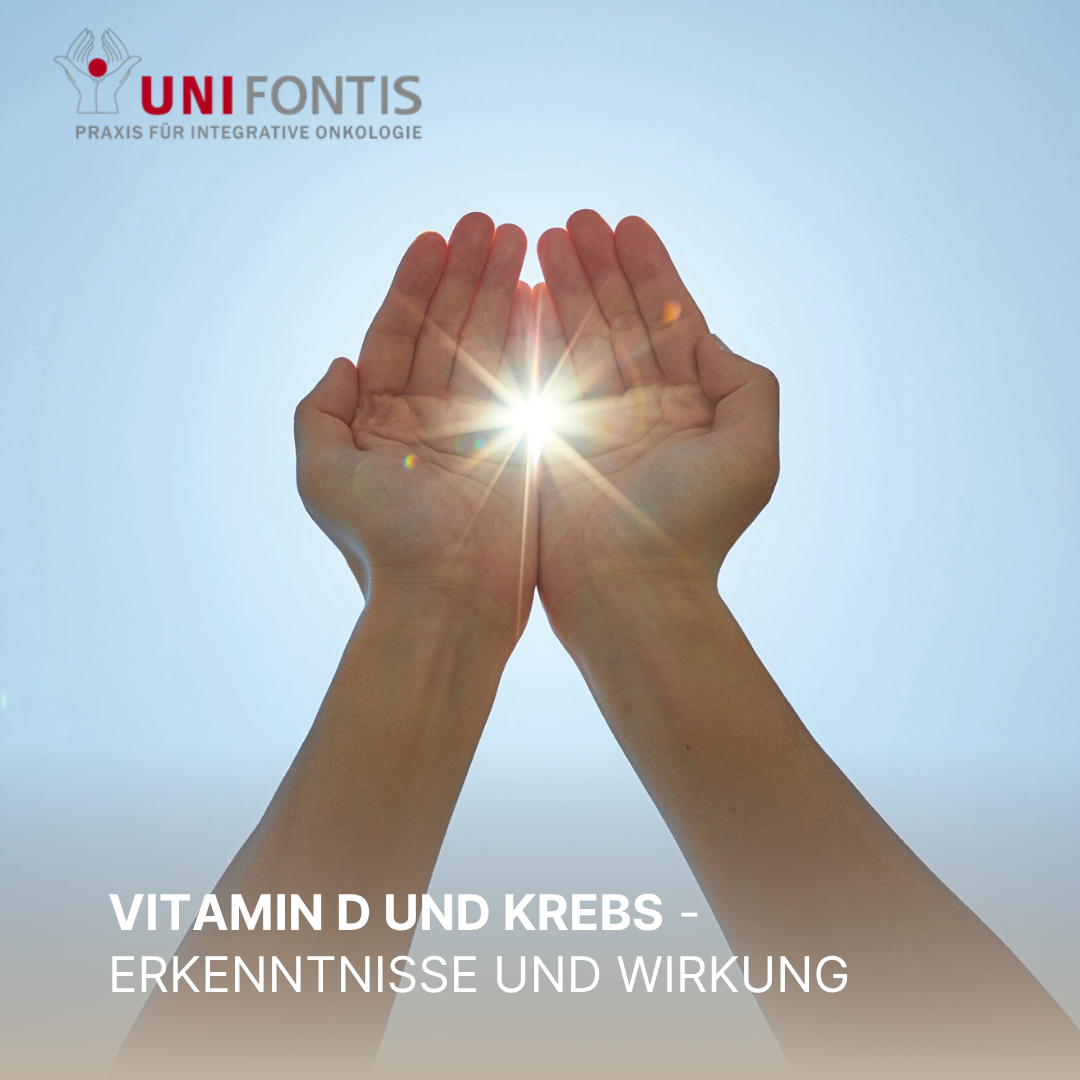
Vitamin D, also known as the “sunshine vitamin,” plays many important roles in the body. Our organism can produce it itself with the help of sunlight, and it acts more like a hormone than a classic vitamin. Especially for people with cancer, new research shows: A good vitamin D level can have a positive impact on the course of the disease.
Why is vitamin D so important?
Vitamin D influences many vital functions (overview). It strengthens the immune system, helps with bone formation, and has a positive effect on mood. A deficiency can lead to fatigue, increased susceptibility to infections, muscle weakness, or depressive moods, among other things.
Since many people today spend a lot of time indoors, vitamin D deficiency is widespread. In oncology, this deficiency can not only worsen general symptoms, it can also influence prognosis.
Vitamin D and cancer: What does science say?
The relationship between vitamin D and cancer is being intensively researched. Some studies suggest that a sufficient vitamin D level may be associated with lower cancer mortality. A meta-analysis of 10 randomized controlled trials found that vitamin D supplementation over a period of 3 to 10 years was associated with a slight reduction in cancer mortality. Cancer information
How can vitamin D help with cancer?
Vitamin D can influence many processes in the body that are also relevant to the course of cancer:
- Strengthening the immune system: Vitamin D activates certain immune cells that can help recognize and fight cancer cells.
- Slowing tumor growth: Studies show that vitamin D can inhibit the growth of certain cancer cells.
- Reducing inflammation in the body: Since chronic inflammation is considered a risk factor for cancer, the anti-inflammatory effect of vitamin D is particularly valuable.
- Improved quality of life: Patients report more energy, better mood, and less pain when their vitamin D levels are well managed.
Vitamin D in oncological practice – What is possible?
In our practice for integrative oncology, we focus on comprehensive care, which also includes supportive measures such as optimizing vitamin D levels. If needed, vitamin D can not only be taken orally but also administered in higher doses, such as by infusion.
This therapy is individually tailored to your health status and treatment situation.
Conclusion: Vitamin D as a supplementary component in oncology
Vitamin D is a meaningful addition during cancer therapy. Even moderate supplementation can, according to studies, have a measurable effect on mortality.
It is important to assess vitamin D levels individually and to have medical supervision, because here, too, every person is different.